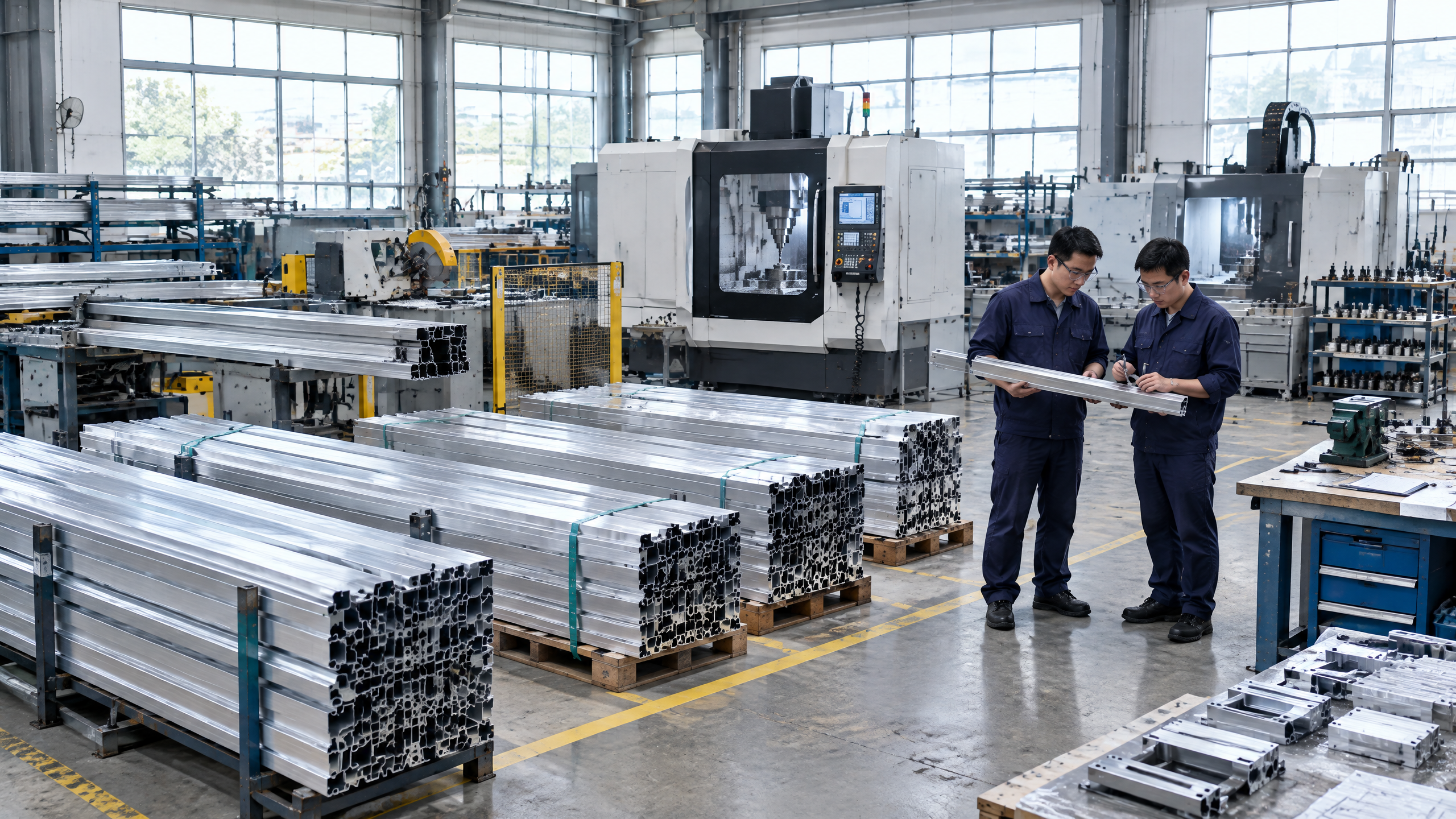
Direct answer (120–180 words) Confirmations for an aluminum carport manufacturer oem must focus on verifiable factory capability, documented quality controls, clear commercial terms and practical site support — not marketing claims. Buyers need evidence of consistent production processes, material traceability for aluminium alloys and fasteners, dimensional tolerances, finishing options, sample/component inspection, and agreed change‑control procedures. Confirm the supplier’s export supply practices, shipping and packing standards, and who owns customs and insurance risk (Incoterms). Ask for a clear aluminum carport manufacturer project quotation that breaks out scope, exclusions, tooling/spec changes, and staged approvals. Evaluate the supplier through factory visits or independent inspection, references for similar installations, and written commitments on spare-parts provision and installation support. Do not accept verbal assurances about permits, structural capacity, energy yield, lead time, price or warranty — those require local engineering and authority sign‑off and formal contract clauses.
Why confirm these items first
Buying architectural aluminium carports or commercial solar carports requires upstream certainty. The supplier must produce drawings, parts and documentation that fit your procurement, tender or design-review process. Early confirmation reduces rework, avoids scope gaps, and clarifies who is responsible for design revisions, site conditions and export logistics. This guide explains which items to confirm, how to evaluate them and how to document the result so your internal stakeholders — architects, contractors, EPCs or procurement teams — can proceed with confidence.
Scope boundaries and who decides what
This guide explains what an OEM supplier should be asked to demonstrate. It does not promise structural capacity, permit approval, code compliance, lead time, price, energy yield or warranty. Such outcomes are determined on a site-specific basis by local qualified professionals, authorities, utility providers and installers; they must make final decisions. Use the confirmation checklist and workflow below as procurement inputs for those site-specific approvals.
Core confirmation checklist (decision table)
Use this table as a minimum set of documents and evidence to request early in evaluation. Tailor additions to local codes, project complexity and solar integrations.
| Document / Evidence | Why it matters | Acceptable evidence |
|---|---|---|
| Factory drawings & GA for your layout | Ensures components fit project dimensions | CAD/PDF GA, revision controlled |
| Material spec & traceability | Confirms alloy and treatment for longevity | Mill certificates, batch numbers |
| Manufacturing tolerances & QC plan | Reduces field rework and fit issues | QC plan, inspection reports, SPC data |
| Surface finish details | Affects corrosion resistance and appearance | Coating spec, sample panels, test reports |
| Sample components | Verify fit, finish, fasteners and assembly | Physical sample, detailed photos |
| Packaging and handling plan | Protects components in transit | Packaging spec, palletisation photos |
| Export documentation & Incoterm | Defines responsibilities for export supply | Commercial terms, pro forma invoice, shipping terms |
| Installation support & spares policy | Minimises downtime and clarifies support | Installation manual, spares lead times, training offer |
| References & past projects | Demonstrates experience on similar builds | Client references, project lists, contact details |
Evaluate commercial and technical capability
Evaluate both commercial behaviour and commercial carport manufacturer factory capability to ensure the supplier can deliver at scale and meet complex project needs.
- Commercial capability: stable contracting processes, transparent payment milestones, clear lead-time windows, and an approach to change orders.
- Factory capability: consistent throughput, jigs and fixtures for repeatability, CNC or automated processes for accurate fabrication, and an internal QC team that documents each batch.
Request a factory capability statement and ask for process flow diagrams that show how orders move from engineering to shop-floor to packing. If you are comparing vendors, include "aluminum carport manufacturer factory direct" offers as a comparison point to understand margin and control differences between factory-direct and distributor-supplied models.
Supplier evaluation: questions and scoring
A formal aluminum carport manufacturer supplier evaluation should be part of your procurement. Score vendors on these attributes: design competence, production controls, materials management, logistics, health & safety, and commercial transparency. Consider third-party inspection options for critical milestones.
Decision table — supplier scoring (example)
| Criteria | Low (1) | Medium (2) | High (3) |
|---|---|---|---|
| Engineering & drawings | Sketches, limited revisions | Detailed DWGs, controlled revisions | Full BIM/CAD, revision control & QA |
| Production control | Manual checks | SOPs with records | SPC, calibration, traceability |
| Material traceability | No batch records | Partial records | Full mill certs and batch tracking |
| Export & logistics | Ad hoc shipping | Standard packaging | Palletised, tested, export-forwarding |
| After-sales and spares | No policy | Short-term spares | Defined spares list, reorder lead times |
Use this scoring to rank bidders and to inform your commercial negotiations and inspection plan.
Getting and comparing an aluminum carport manufacturer project quotation
Request a structured aluminum carport manufacturer project quotation that separates price headings and clarifies exclusions. A good quotation should show drawings revision number, scope boundary (what’s included vs excluded), packaging and transport terms, and staged approvals.
Key elements to require:
- Itemised scope: structures, brackets, fasteners, seals, and site ancillaries.
- Allowances: for foundations, electrical, civil works or ground remediation only if you accept them.
- Change-control: how design changes after PO will be priced and approved.
- Acceptance milestones: design sign-off, pre-production sample approval, final inspection.
- Incoterms and export responsibilities (seller vs buyer) — consult Incoterms to clarify risk transfer and costs [3].
- Customs and import documentation expectation for your port — verify local customs rules with your clearance agent or reference import guidance where relevant [4].
Do not accept a single lump-sum quote without clarifying these points; lump sums hide assumptions and exclusions.
Design, materials and finishes
Confirm the aluminium alloys used for structural members and the grades for fasteners and connectors. Aluminium selections affect fabrication methods, joining techniques and finishing options. Also verify secondary materials — e.g., stainless-steel fixings — and whether any ferrous parts are treated or specified differently.
Ask for sample pieces and colour chips: visual inspection is a valid procurement tool. Where coatings are specified, confirm the testing basis for adhesion and weather resistance. For any ferrous or accessory parts, ensure appropriate corrosion protection is specified; consult applicable industry references for recommended treatments [1] when they apply.
If your project includes solar modules, confirm that the structural system interfaces with module clamps, cable routes and inverter locations and that the supplier can provide integration details for the module brand you plan to use. Link the supplier scope to your system selection in the Carportiva system range to ensure compatibility: Carportiva system range and all systems.
Factory inspection and acceptance process
Factory inspections are high-value checkpoints. They can be staged at key milestones: pre-production sample, mid-production inspection, and pre-shipment final inspection. Use an independent inspector or your qualified engineer to verify:
- Component dimensions against approved GA drawings.
- Surface finish quality on sample panels.
- Packing, labelling and marking compliance with your shipping plan.
- Correctness of parts lists and bolt/kitting completeness.
Agree acceptance criteria in writing. An inspection checklist should map to the supplier’s QC records and the purchase order.
Logistics, packing and export supply
Clarify how the aluminum carport manufacturer export supply will be handled. Confirm packaging method, palletisation, labelling, and whether the supplier will consolidate shipments for multi-site projects. Define responsibility for customs clearance, duties, and insurance based on the agreed Incoterm [3].
When importing, check customs classification, HS codes and required paperwork; rely on your customs broker and verify guidance where needed [4]. For multi-cluster projects, ask for staggered deliveries and a reliable method to track which shipment serves which site.
Installation support, spare parts and documentation
Confirm the supplier’s installation support model: do they provide installation drawings, training, or field supervision? A credible OEM will supply comprehensive installation manuals and can offer spares lists with lead-time estimates.
Do not assume warranty coverage or post-install obligations until they are written into contract documents. For solar-integrated carports, confirm cable routing, earthing/grounding strategies, and interface documentation relevant to your electrical contractor or EPC.
Pricing, payment terms and contract alignment
Negotiate clear payment milestones tied to documents or inspection results (for example: design approval, sample approval, production completion, and shipment). Avoid payments tied only to calendar dates without performance triggers.
For exporters and importers, align payment terms with shipping documents and consider letters of credit or staged payments depending on commercial risk. Confirm currency risk and any responsibilities for export taxes or duties.
Six-step buyer workflow
Named workflow to use with procurement teams:
- Define scope and performance outcomes — confirm load assumptions to your structural engineer and clarify solar integration requirements.
- Pre-qualification — issue a supplier questionnaire and request factory capability documents and references.
- Quotation & clarification — obtain a detailed aluminum carport manufacturer project quotation and negotiate terms, Incoterms and change control.
- Sample & approval — review physical samples, approve drawings and agree inspection checkpoints.
- Production & inspection — perform agreed factory inspections and resolve NCRs (non-conformances).
- Shipment & handover — confirm packing, shipping documents, customs clearance and on-site acceptance.
This workflow keeps procurement, design and construction teams aligned and creates clear hand-offs that reduce disputes.
Mid-article CTA If you’re ready to begin supplier evaluation or want Carportiva to clarify scope items for your tender, submit an enquiry now: /inquiry or email info@carportiva.com.
Decision triggers for go / no-go
Create objective triggers before contract signature:
- Go: Supplier provides complete GA drawings, material certificates, production quality plan, sample approval and clear Incoterm-based commercial terms.
- No-go: Supplier cannot demonstrate consistent manufacturing records, fails to provide samples or refuses independent inspection, or commercial terms leave key risks undefined.
How to document outcomes for procurement records
Use a single procurement bundle per supplier: PO, approved drawings, QC plan, sample approval form, inspection reports, and final shipping docs. This bundle should be archived for maintenance, spares ordering and any future disputes.
Links to Carportiva resources
- Explore product options in the Carportiva system range or view all systems.
- See related procurement aids in our sourcing guides.
Related sourcing terms
In project research, these connected terms should be reviewed against the same live brief: commercial carport manufacturer supplier evaluation. They are search phrases, not separate technical guarantees.
FAQ
Q: What is the difference between a factory-direct offer and a distributor quote? A: A factory-direct price typically comes straight from the manufacturer and may provide tighter control over production and lead times; a distributor quote may include localized services, stocking and consolidated logistics. Compare scope inclusions and support.
Q: How should I confirm material traceability? A: Require mill certificates and batch numbers that match supplier delivery records. Traceability extends from alloy certificates through to component packing lists.
Q: Does a supplier’s reference project guarantee suitability for my site? A: No. References indicate experience but do not replace site-specific engineering, permitting or local code compliance. Local professionals must review final drawings and assumptions.
Q: When should I arrange a factory inspection? A: At key stages: pre-production sample, mid-production (if high risk), and pre-shipment. For large or critical orders, include inspector attendance clauses in the purchase order.
Q: Who decides on Incoterms and export responsibilities? A: Incoterms are contractual and should be agreed between buyer and seller. Consult Incoterms rules for risk transfer details [3].
Conclusion
A structured, evidence-based approach to aluminum carport manufacturer oem evaluation reduces procurement risk, clarifies responsibilities and protects project schedules. Focus on documented factory capability, traceable materials, detailed quotations, inspection plans and clear export terms. Use the six-step buyer workflow and the decision tables in this guide to standardise supplier checks across projects. For project-specific support or to request a formal submission, contact Carportiva via /inquiry or info@carportiva.com.
References
- American Galvanizers Association: https://galvanizeit.org/
- International Organization for Standardization: https://www.iso.org/
- International Chamber of Commerce Incoterms: https://iccwbo.org/business-solutions/incoterms-rules/
- U.S. Customs and Border Protection import guidance: https://www.cbp.gov/trade/basic-import-export
Keep the project brief connected.
Bring the actual project brief to the engineering table.
Share your location, layout, target application and available technical inputs. Carportiva can help identify the relevant product-interface information before a project-specific commercial discussion.
Request a project discussion